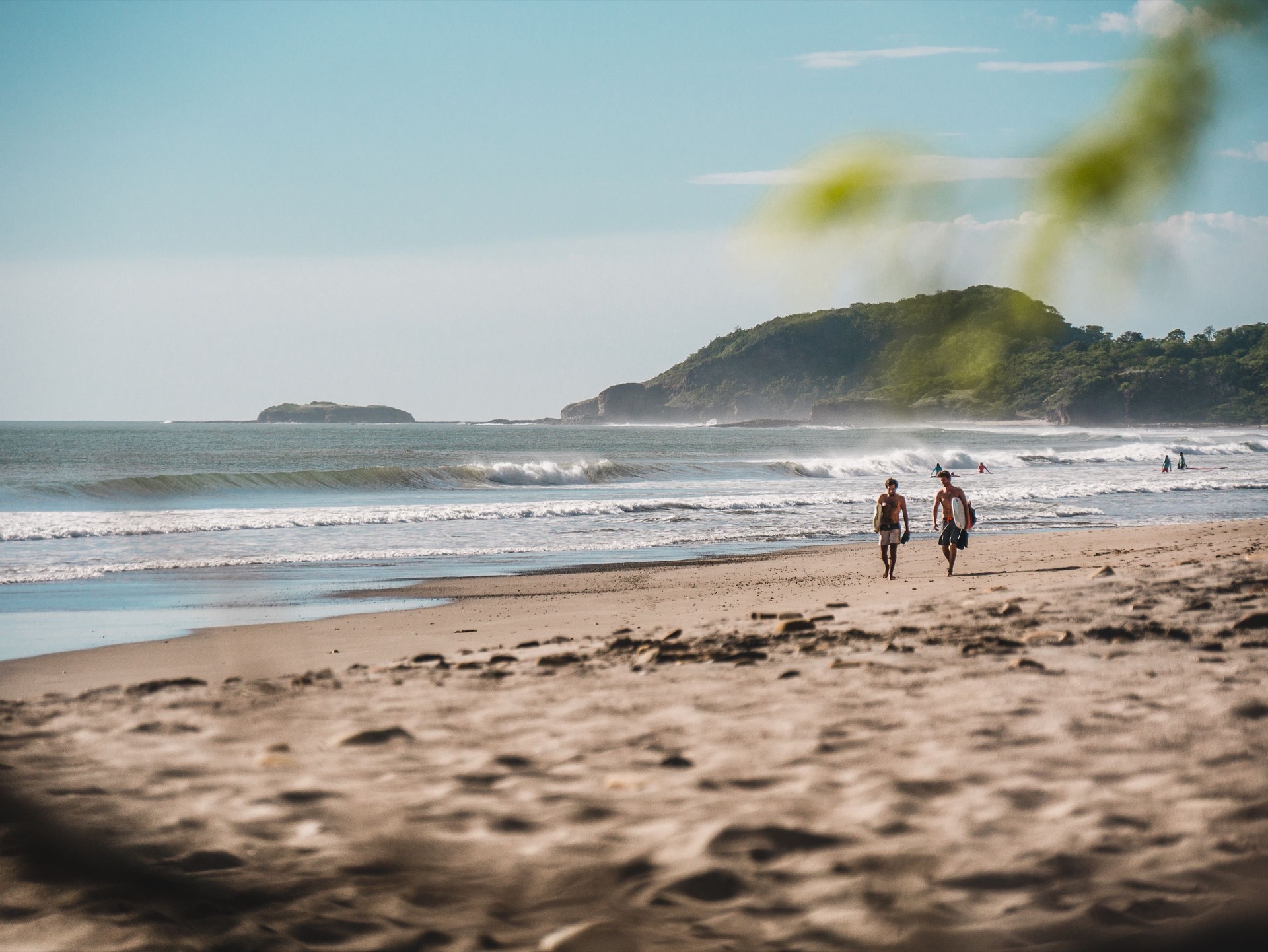
The right time for your Nicaragua trip depends on what you want to experience. Its tropical climate is divided not into four seasons, but two: the dry season—known locally as summer—and the green or rainy season, known as winter.
Dry Season: November to April
This is the tourism high season. Days are sunny, skies are clear and the heat intensifies toward April.
- Advantages: Reliable beach days, mud-free volcano hikes and easier travel on secondary roads. December and January are especially pleasant thanks to cooler breezes.
- Disadvantages: Accommodation prices rise, and Pacific landscapes turn brown and dry after months without rain.
Green Season: May to October
Do not be put off by the word “winter.” Mornings are usually sunny, with strong, refreshing afternoon showers that often last only one or two hours.
- Advantages: The country bursts into vivid green, prices fall, crowds thin and temperatures become a little easier to handle.
- World-class surf: September and October are famous among surfers for bringing the Pacific’s strongest swells.
Important Festivals
- Holy Week, March or April: Nicaragua’s biggest domestic holiday. Beaches and colonial cities fill up, so reserve hotels months ahead.
- La Gritería / La Purísima, December: On December 7, streets across the country celebrate the Virgin Mary with songs, fireworks and shared food—especially beautifully in León.